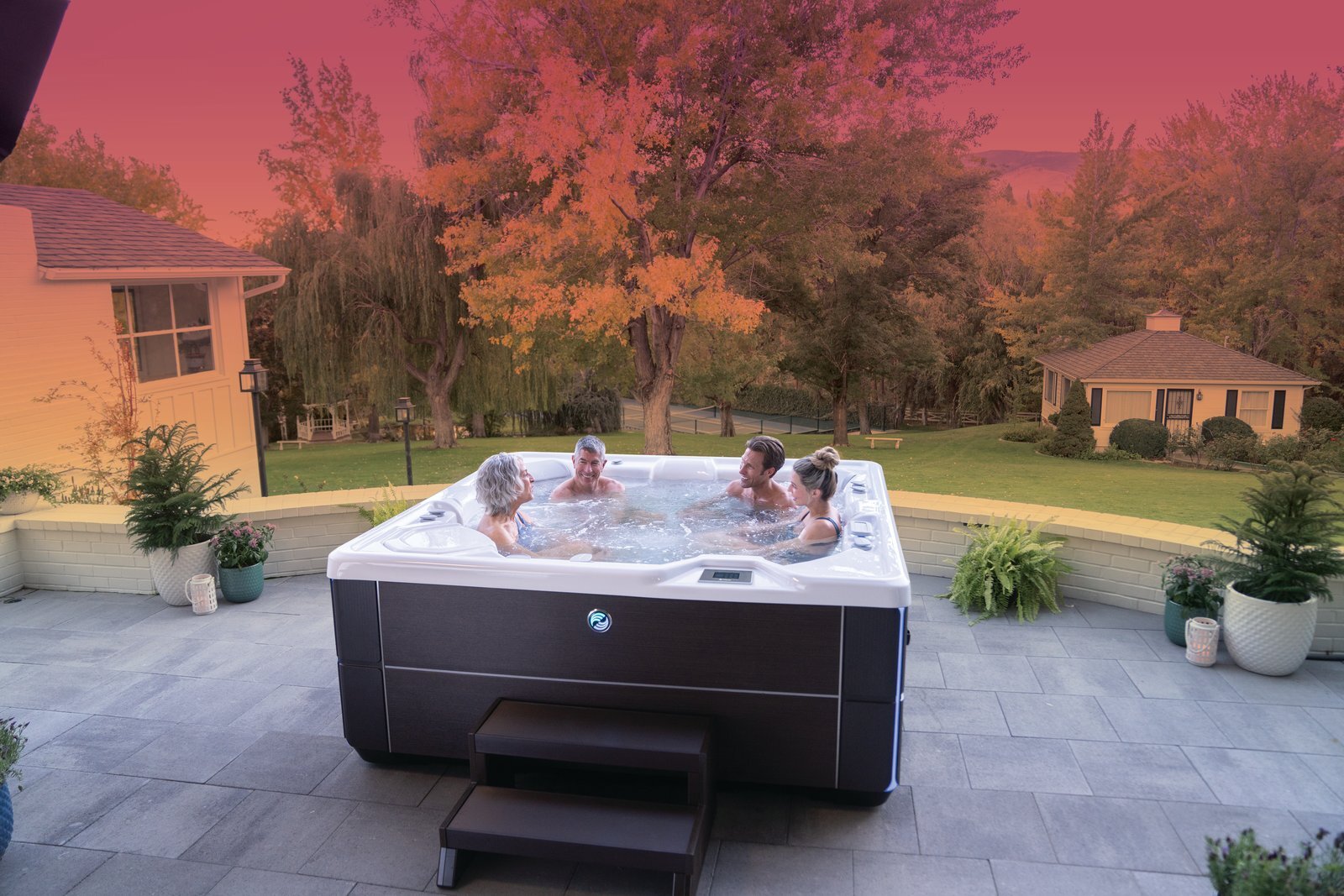
Hot Tub Placement & Site Prep: A Pacific Northwest Guide
Four things make delivery day easy: a level, load-rated foundation; the right power in the right place; a clear path for the delivery crew; and a spot that works for daily use and future service access.
The most common surprise in buying a hot tub isn't the spa. It's the spot the spa goes. A little planning prevents the one delay every dealer dreads: a beautiful spa on the truck and a site that isn't ready. Walk through these four things before delivery day and installation becomes the easy part.
1. A level, load-rated foundation
Filled with water and people, a hot tub is heavy — often several thousand pounds. The base under it has to be level and rated for that filled weight. Your options:
- A reinforced concrete pad. The gold standard: level, permanent, worry-free.
- A reinforced deck. Fine if it's rated for the filled weight. An existing deck often needs reinforcement. When in doubt, have it assessed.
- Compacted gravel or pavers. Workable when the surface is level and stable.
An unlevel or under-built base is the one shortcut you never take. It stresses the shell and voids the peace of mind you paid for.
2. The right power, in the right place
Sort out electrical before the spa arrives, not after:
- Plug-N-Play spas (Hot Spring Freeflow, Caldera Fantasy) use a standard 110–120V outlet. No electrician needed.
- Full-size spas need a dedicated 240V GFCI circuit (commonly 50A). That means a licensed electrician, and usually a GFCI subpanel.
Have the electrical roughed in and inspected before delivery, so the spa can be powered the day it lands.
3. A clear delivery path
Most spas travel to the site standing on edge on a cart, and they need room to move. Measure your gates, doorways, stairs, and tight corners against the spa's dimensions. A snug side yard might mean temporarily removing a fence section. A truly blocked path can require a crane. Neither is a problem if you know in advance — it just becomes a scheduled step.
4. Placement for living, and for service
Now think about the spot itself:
- Drainage away from the pad, so water doesn't pool where you step.
- Privacy and wind. A little screening makes a big comfort difference.
- The path from the house. Shorter is friendlier on a cold, wet evening.
- Clearance to open the equipment door. This one gets forgotten, and then it costs you on every service call. Leave room to reach the equipment.
Your pre-delivery checklist
By delivery day, you want: pad poured, cured, and level · electrical rough-in done and inspected · delivery path measured and clear · final position marked · a hose within reach to fill · spots planned for your cover lifter and steps. Tick those and you'll be soaking the same day.
Ready for real numbers?
Get a no-pressure quote for the models you're weighing, ask about financing, or book a Test Soak at Burlington, Ferndale, or Lake Stevens.